

Exploring the World of Mahjong: History, Variants, and Modern Relevance
Mahjong is a game with deep cultural significance and a rich history that continues to captivate players worldwide. Its blend of skill, strategy, and luck makes it a beloved pastime in many cultures. Originating in China during the Qing Dynasty, Mahjong’s influence has transcended borders, evolving into numerous variations as it spread worldwide.
The Origins of Mahjong
The exact origin of Mahjong is somewhat shrouded in mystery. Some historians believe it emerged in the Yangtze River Delta between the late 18th and 19th centuries. Others argue it developed earlier from similar card games in China.
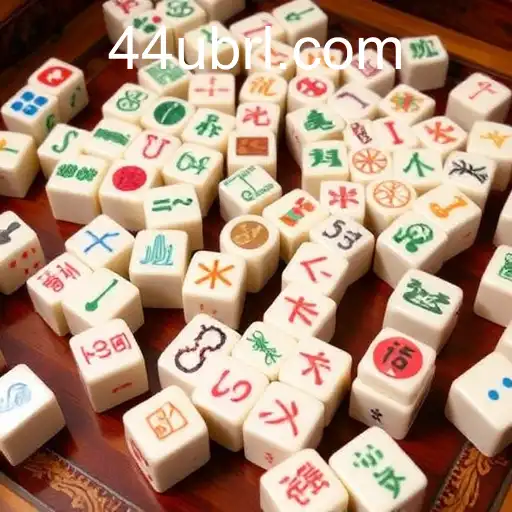
A standard Mahjong set consists of 144 tiles, featuring Chinese characters and symbols. The game is usually played by four players, though variations exist. Players attempt to build sets and pairs from their tiles, ultimately aiming for a winning hand similar to rummy.
Variations of Mahjong
As Mahjong spread beyond China, it evolved into multiple versions to cater to diverse cultures worldwide. Each version introduces unique rules and tile designs, enriching the Mahjong landscape.
American Mahjong
American Mahjong, developed in the 1920s, differs considerably from its Chinese counterpart. While the core mechanics remain, American Mahjong uses additional tiles like jokers and incorporates special hands and scoring cards published annually by the National Mahjong League.
Japanese Mahjong (Riichi Mahjong)
In Japan, Mahjong evolved into Riichi Mahjong, a version known for its strategic depth and fast-paced environment. Riichi introduces the 'riichi' declaration and 'dora' tiles that influence scoring, making it a staple in Japanese pop culture and competitive scenes.
Mahjong Competition Rules
The World Mahjong Organization has standardized International Competition Mahjong Rules, emphasizing fairness and uniformity. These rules are used in global tournaments, promoting Mahjong as a global competitive sport.
The Cultural Impact of Mahjong
Besides being a popular game, Mahjong holds cultural significance, especially in China. It acts as a social glue, bringing families and communities together. Mahjong is often played during festivals and celebrations, symbolizing unity and shared enjoyment.
Globally, Mahjong has seeped into various cultural expressions. It's a common motif in films, literature, and digital media, showcasing its influence far beyond the game table.
Mahjong in the Digital Age
In today’s digital world, Mahjong has seamlessly transitioned to online platforms, making it accessible to a global audience. Online versions offer various styles and customizations, appealing to new generations. Platforms like 44U.COM provide convenient access to Mahjong games, allowing enthusiasts to connect and play regardless of location.
The digital era has also birthed a competitive e-sports scene for Mahjong. Online tournaments and leagues give players opportunities to showcase their skills on a global stage, keeping the game vibrant and relevant.
Learning and Mastering Mahjong
Despite its reputation for complexity, Mahjong is accessible to newcomers willing to learn. Numerous resources exist to guide beginners, from rulebooks to online tutorials, ensuring no enthusiast is left behind.
Experienced players agree that mastering Mahjong requires practice and patience. Understanding tile distribution, reading opponents’ moves, and strategic foresight are vital skills for success.
Conclusion
Mahjong remains a celebrated game in many cultures, embodying a blend of tradition and modern gaming trends. As the world becomes more connected, Mahjong’s reach continues to expand, inviting more players to partake in its strategic allure. Platforms like 44U.COM integrate this historical game into our digital lives, ensuring its legacy endures for future generations.